
15.10.2026 · Timeturk
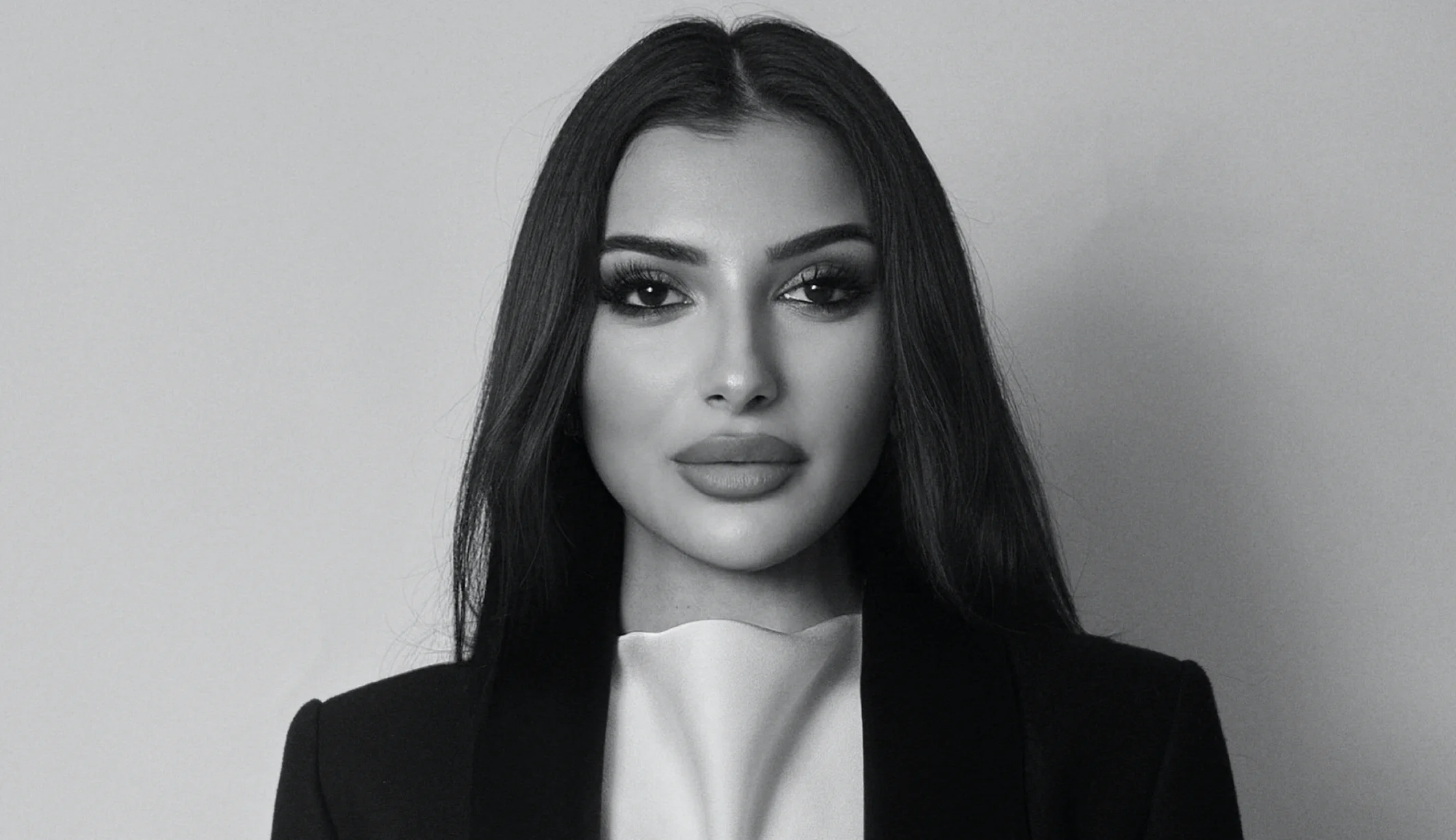
The second generation taking Turkish industry into global supply chains
In an interview with Timeturk, AYTURK GLOBAL GROUP CEO Ümmügülsüm Çavuş discussed the group’s strategic supply partnership model, a trading legacy dating back to 1994, and its goal of connecting Turkish manufacturers with buyers in the Gulf, Europe and the United States.
Ms Çavuş, could you briefly introduce yourself and AYTURK GLOBAL GROUP to our readers?
AYTURK GLOBAL GROUP is an Istanbul-based international trading and strategic sourcing company. Our core business is connecting Turkish manufacturers with buyers in markets around the world. That said, we don’t see ourselves as an intermediary that simply introduces two parties. We take responsibility for every stage of the process, from selecting the right supplier through quality and compliance to logistics and contract management. We work across a wide range of sectors, from industrial systems and chemicals to defence and aerospace, food, healthcare and textiles. I’m an economist by training. After completing my master’s at HEC Lausanne, I worked at the OECD in Paris. Today I combine that analytical background with the commercial experience my family has built up over the years. In short, what we do is build trust. We assure buyers that the right product will reach them at the right time, and we assure manufacturers that their products will find the right market on the terms they deserve.
You are a second-generation entrepreneur. What legacy have you inherited from the family business?
Our story began in 1994 with Çavuş Otomotiv. For many years, my father, Ali Seydi Çavuş, ran the authorised Mitsubishi dealership of TEMSA, a Sabancı Group company. Being the authorised dealer of an institution of that standing means staying true to the manufacturer’s standards, understanding that the relationship with a customer does not end at the sale, and protecting the reputation of the brand you represent as if it were your own. I learned the fundamentals of trade within that discipline. Reliability in supply, quality of service and standing behind your word became the foundation of how we work. The most valuable legacy we have is the relationships of trust built over more than thirty years and the reputation our family name carries in the market. AYTURK GLOBAL GROUP takes that heritage to an entirely new scale. Today my father guides us with his experience as Chairman of the group, and as the second generation, I am translating that legacy into the language of international trade. I believe that in a well-established family business, generations don’t replace one another. They complement each other.
You had a successful career at the OECD in Paris. What made you decide to return to Türkiye and go into trade?
The decision actually grew directly out of my work at the OECD. There I worked on critical raw material supply chains, the economics of the defence industry and countries’ industrial policies. While using input-output analysis to examine where each country sits in different value chains, one thing became very clear to me. Türkiye’s production capacity is far greater than its presence in global value chains suggests. Many Turkish manufacturers make high-quality products, yet they struggle to reach the right buyers in the right way. At some point I realised I could close that gap on the ground rather than describe it in reports. Coming from the policy world gives me an important advantage, because I can assess markets not only on price but also through the lens of regulation, geopolitical risk and long-term demand. Bringing that analytical perspective together with my family’s commercial experience produced a strong model.
What do you mean by “strategic supply chain partnership”? What sets you apart from a conventional intermediary or trading company?
A conventional intermediary handles the buying and selling, and once the transaction is complete, the relationship ends. We see ourselves as responsible not for a single transaction but for the entire process. When a buyer approaches us, we first make sure we fully understand their needs, clarifying the required standards, certifications, delivery schedule and potential risks. We then find the best match among the manufacturers in our network and closely monitor quality and compliance. Working with specialist partners in areas such as testing, logistics and customs, we coordinate the process from start to finish. On some projects we act as the contracting party, buying and selling the goods in our own name, while on others we act as the manufacturer’s commercial representative. The model is flexible, but our commitment to transparency and accountability never changes. Another thing that sets us apart is that our trading is backed by data and analysis. Before entering a market, we make a real effort to understand it.
Which sectors and markets do you operate in?
We operate in six core sectors, namely industrial systems and technology; chemicals and industrial materials; defence, aerospace and security; healthcare, laboratories and education; food and agriculture; and textiles, jewellery and accessories. Geographically, we are moving along three main axes. The first is the Gulf, led by Saudi Arabia and the United Arab Emirates, together with the wider Middle East and Africa. Infrastructure and industrial investment in these regions is growing rapidly, and trust in Turkish products runs deep. The second is Europe. Türkiye has long been one of Europe’s key suppliers, and for European buyers looking to bring their supply chains closer to home, speed and flexibility are a major advantage. The third is the United States. We have a managing partner working on the ground there, and we aim to offer American buyers who want to diversify their sourcing a reliable alternative. On the supply side, we also work with production hubs around the world, because sometimes the best solution for a customer lies in combining Turkish manufacturing with the right global inputs.
What are the biggest obstacles preventing Turkish manufacturers from joining global ecosystems, and what role do you play in addressing them?
I see three main obstacles in the field. The first is visibility. There are many companies in Anatolia producing to world standards whose names are barely known abroad. The second is compliance. International buyers no longer look only at price; they ask for documentation on certification, traceability, sustainability and ethical sourcing. That is not an easy burden for SMEs to carry alone. The third is trust. A buyer on the other side of the world will understandably hesitate before placing a first order with a manufacturer they don’t know. We act as a bridge on all three fronts. We introduce manufacturers to the right markets, support them through compliance processes and provide assurance to buyers on the first deals. A manufacturer that completes its first export with us gains an important reference, and that reference opens new doors. One of my biggest goals is to see small-scale but high-quality Turkish manufacturers secure a lasting place in global supply chains.
Global trade has undergone a major transformation in recent years. Is this a risk or an opportunity for Türkiye?
I think it is a historic opportunity, but it won’t happen by itself. The pandemic, wars and trade tensions have shown companies how risky it is to depend on a single source of supply. Today everyone wants to diversify their supply chains and find sources that are closer to market and more reliable. This is exactly where Türkiye stands out. Located within a few hours of Europe, the Middle East and Africa, the country has a strong industrial base and flexible manufacturing capabilities. At the same time, we can’t ignore cost pressures, and competing on price alone won’t win this race. We need to stand out through speed, quality, reliability and added value. My work at the OECD on critical raw materials and defence supply chains clearly showed that in strategic sectors, countries are now looking for “trusted partners”. Türkiye can be that partner. We want to be among the companies that read this transformation correctly and position Turkish industry well on the new global map.
Trust is one of the most critical issues in international trade. How do you build it?
Trust isn’t a slogan. It is a matter of having the right systems in place, and we have turned that principle into written rules. We have published our Supplier Code of Conduct, and we expect every manufacturer we work with to meet the same standards, from working conditions and the environment to anti-bribery and anti-corruption and export control regulations. We respond promptly to every report we receive and, where necessary, request a corrective action plan. In sensitive areas such as defence and dual-use goods in particular, we pay close attention to export controls and sanctions rules. I also believe in transparency in our commercial relationships, so our partners can clearly see the cost structure and how the process is progressing. We would never put a long-term relationship at risk for a short-term gain. That is the most valuable lesson I learned from my father. In trade, reputation is your greatest capital.
What can you tell us about AYTURK GLOBAL GROUP’s team and management structure?
Our structure brings together experience and the energy of a new generation. My father, Ali Seydi Çavuş, is Chairman of the group, and his long experience and relationships in the business world form the foundation of our organisation. Alongside members of our family, our management includes partners from a range of fields. Our team includes an academic partner who leads business development and project management, a managing partner based in the United States who follows the markets there closely, and valued colleagues who manage our procurement processes. This diversity is a real strength, because we can look at the same project through the eyes of an economist, an academic and someone who comes from inside the trade. As a young team, we make decisions quickly and use digital tools and data effectively, while our more experienced colleagues remind us when to hold back. I believe that is exactly the balance a modern trading company needs.
What are your goals for the coming period? Do you have a message for Turkish industrialists?
In the short term, we aim to build lasting business partnerships in the Gulf and a strong manufacturer network in every sector. In the medium term, we want to reach a steady volume of business in European and American markets and open up new markets in Africa. Our long-term goal is for AYTURK GLOBAL GROUP to become one of the first strategic sourcing partners that come to mind when people think of Türkiye. We will get there step by step, without rushing. I would like to tell Turkish industrialists not to underestimate the value of what they produce. There are buyers around the world looking for their products, and what matters is reaching them in the right language, to the right standards and in a way that inspires confidence. They don’t have to make this journey alone. Our door is open to every manufacturer that produces quality goods and wants to go global. Turkish industry more than deserves to be part of the global ecosystem. Our ambition is to be a strategic partner in global supply chains and Turkish industry’s bridge to the world.
This interview was originally published in Turkish by Timeturk on 15 October 2026. Read the original article. English translation by AYTURK GLOBAL GROUP.
Source: Timeturk, 15 October 2026